The Great AI Recalibration: From Human Neurons to Interface Retreats
Today’s AI landscape feels like it is pulling in two opposite directions at once. On one hand, we are seeing a massive push into the biological and hardware frontiers, while on the other, the biggest software giants are being forced to rethink how they shove AI into our daily interfaces. It is a day of reckoning for “uncanny” graphics, biological data centers, and the realization that maybe we don’t want an AI button in every single app we open.
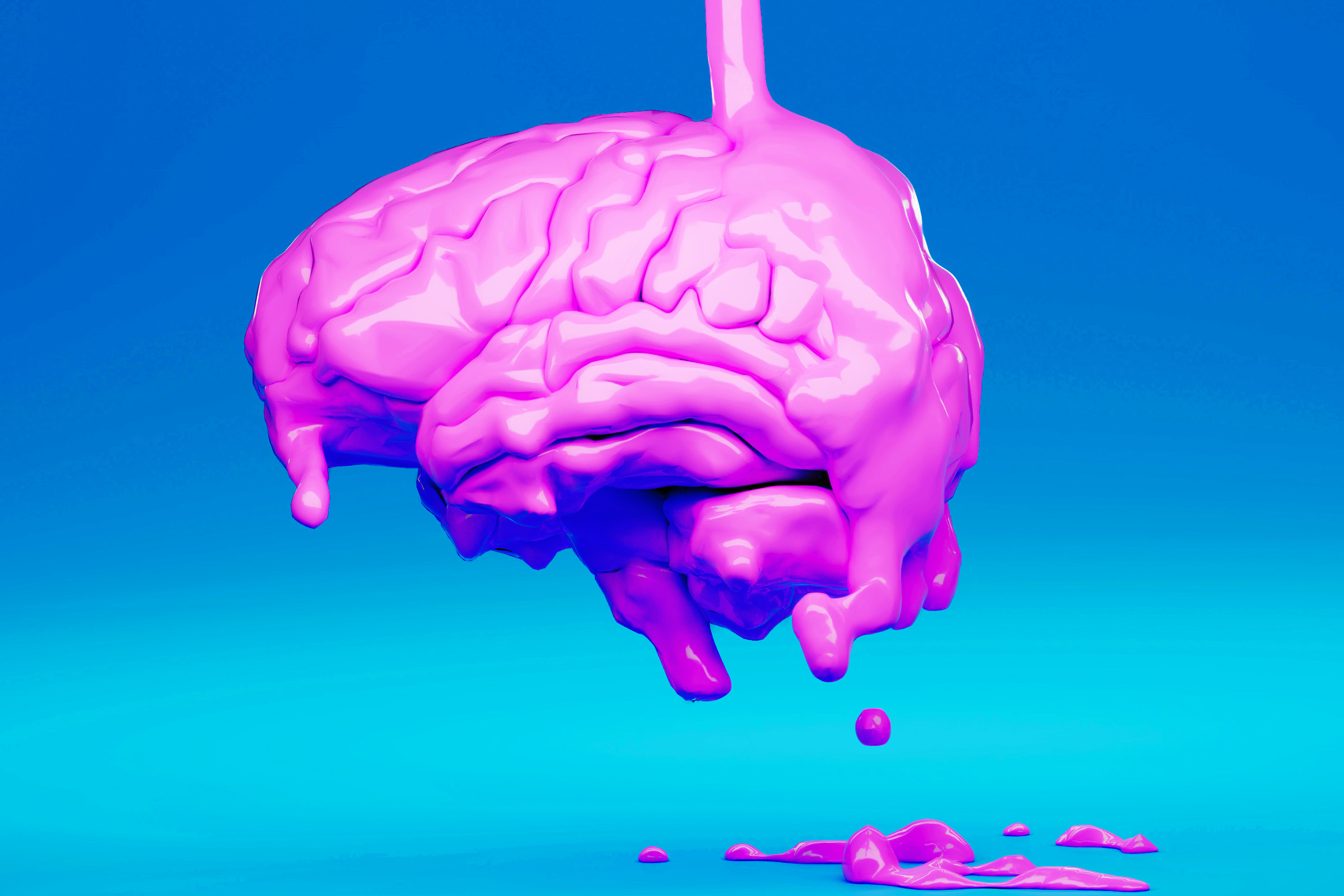
The most jarring news of the day comes from the bleeding edge of biocomputing. A new report highlights a data center powered by actual human brain cells, where technicians are tasked with the grisly chore of swapping out cerebrospinal fluid daily to keep the biological processors alive. It is a stark reminder that while we often talk about AI as “artificial,” the industry is increasingly looking toward the efficiency of biological neurons to solve the massive energy demands of modern computing. This isn’t just silicon anymore; it’s a literal merger of biology and data infrastructure that raises more ethical questions than the industry currently has answers for.
While data centers are getting weirder, our desktop interfaces are actually getting a bit cleaner—or at least, less cluttered. Microsoft has begun rolling back some of its “Copilot bloat” within Windows 11. After months of sticking AI entry points into every corner of the OS, from Notepad to Photos, the company is finally dialing it back to improve general system quality. It seems the “AI everywhere” strategy hit a wall of user fatigue. However, Google doesn’t seem to have received that memo yet. Reports indicate that Google Search is testing AI to replace original website headlines and titles in search results. It’s a controversial move that could strip away the last bits of brand identity for publishers, turning the web into a homogenized feed of AI-interpreted summaries.
The gaming world is also seeing a significant AI-driven rift. Nvidia’s latest upscaling technology, DLSS 5, is facing heavy criticism from both gamers and developers who describe the AI-generated frames as “uncanny” and “off-putting.” Despite the pushback, Nvidia CEO Jensen Huang has doubled down, suggesting that AI-generated graphics are an inevitable default. This tension highlights a growing gap between corporate vision and user experience. Meanwhile, leaked specs for Microsoft’s “Project Helix” console suggest the future of gaming hardware is leaning heavily into dedicated NPUs (Neural Processing Units) to handle these native AI tasks, regardless of whether the current generation of gamers is ready for it.
Even in the enterprise sector, AI is becoming the new baseline for security. Samsung has announced a new Enterprise Edition of the Galaxy S26 Ultra featuring an “AI-powered Personal Data Engine.” This represents a shift where AI isn’t just a chatbot or an image generator, but a foundational layer of privacy management, using local models to monitor and secure sensitive business data.
Looking at today’s stories, we are witnessing the messy “teenage years” of the AI revolution. We are seeing the industry oscillate between incredible, almost science-fiction-like breakthroughs in biological computing and the very grounded, somewhat clumsy attempts to figure out where AI actually belongs in a search bar or a video game. The takeaway for today is clear: the technology is moving faster than our comfort levels, and for the first time, we’re seeing major players like Microsoft actually blink and take a step back when the “AI bloat” becomes too much for the average person to bear.